
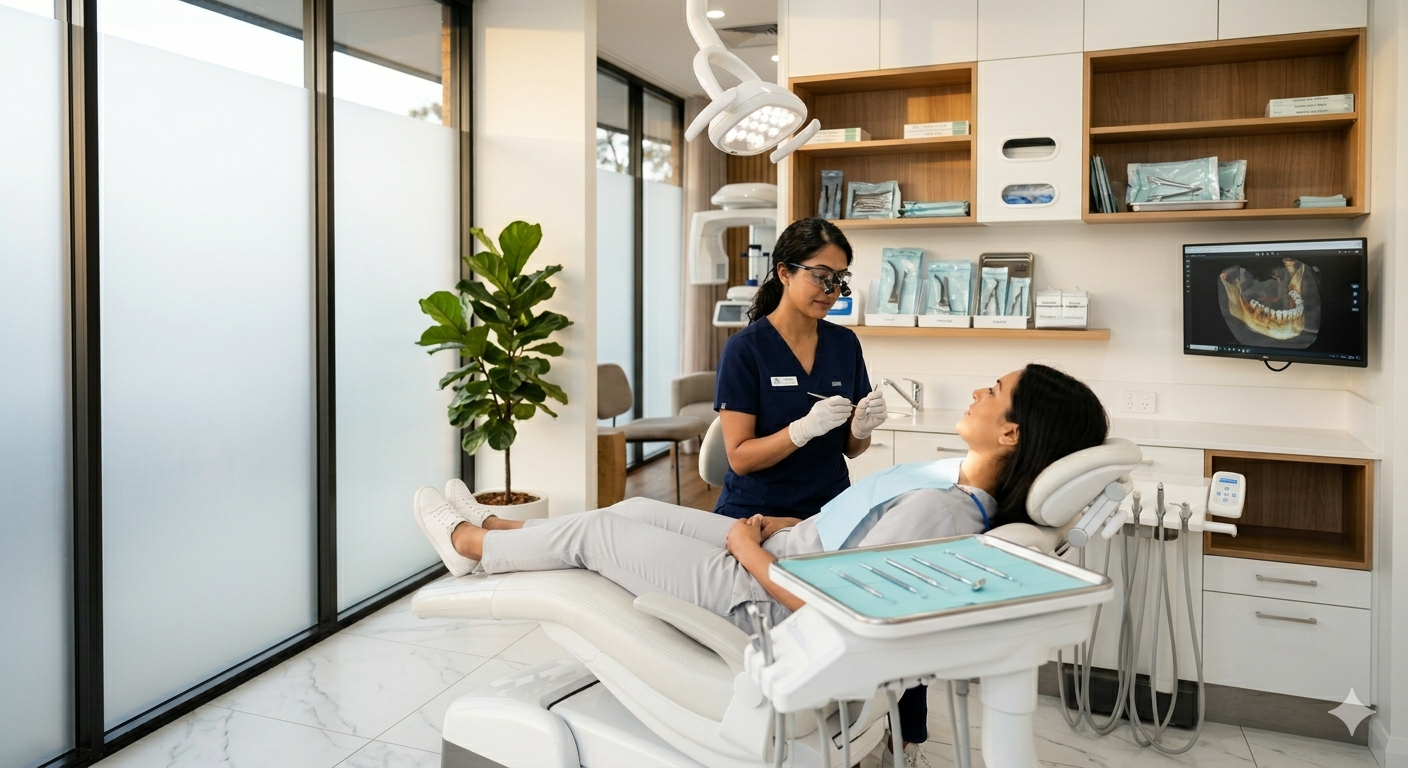
When it comes to choosing between veneers and crowns in Modesto, CA, many people wonder which option best fits their dental needs. Both treatments can improve the look and function of teeth, but they serve different purposes depending on the condition of the tooth. Veneers are thin shells that cover the front of teeth to enhance appearance, while crowns fully encase a tooth for protection and strength.
For someone with minor cosmetic issues like discoloration or small chips, veneers might be the ideal solution. Crowns, on the other hand, are often recommended for teeth that are weakened or heavily damaged due to decay or injury. Understanding these differences can help patients make informed choices with their local dentist.
Knowing what each option involves and when they are appropriate can ease any worries about treatment. It also opens the door to personalized care tailored to both comfort and long-term dental health in Modesto.
Understanding Veneers and Crowns
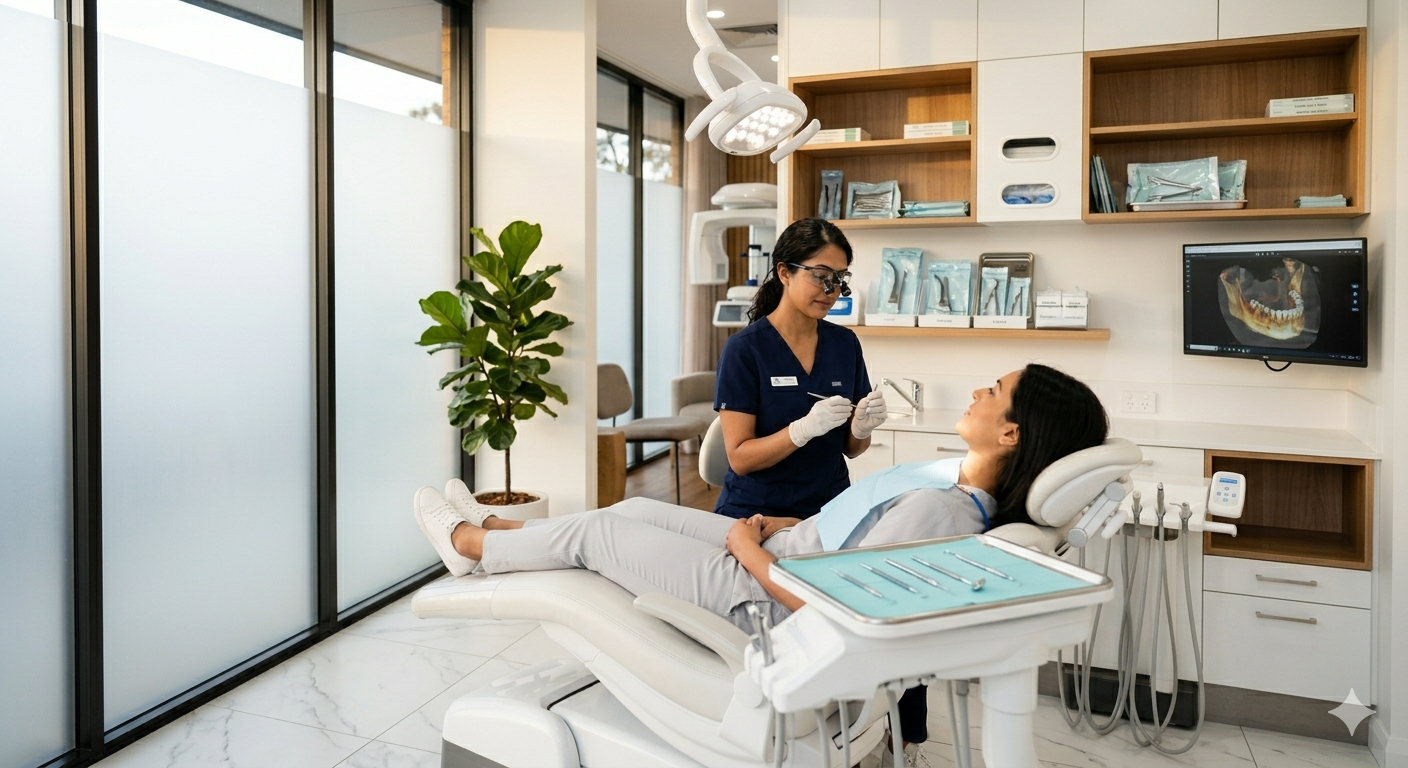
Both veneers and crowns improve the look and function of teeth but in different ways. They address cosmetic concerns and structural issues with tailored approaches. Knowing how each works helps patients choose the right option for their dental needs.
What Are Veneers?
Veneers are thin, custom-made shells crafted from porcelain or resin that cover the front surface of a tooth. They are primarily used to enhance the appearance of teeth by correcting discoloration, chips, gaps, or minor misalignments. Because veneers require minimal removal of the tooth’s enamel, they preserve most of the natural tooth structure.
These are ideal for people wanting a smile makeover without major dental work. Veneers are bonded securely to the tooth and look very natural. However, they don’t provide much protection for the overall tooth strength.
What Are Crowns?
Crowns are tooth-shaped caps placed over an entire tooth to restore its shape, size, strength, and appearance. They cover damaged or weakened teeth caused by decay, cracks, or extensive fillings. Unlike veneers, crowns require removing a significant portion of the tooth to fit properly.
Crowns offer full protection and durability, making them suitable for teeth that need both cosmetic improvement and extra strength. Materials vary from porcelain to metal or a combination, balancing natural look and toughness.
How Each Solution Works
Veneers mainly focus on cosmetic fixes by bonding a thin shell to the front of the tooth after slight enamel reshaping. The process is less invasive and usually requires fewer dental visits. Veneers are best for improving smile aesthetics without major structural concerns.
Crowns involve reshaping the entire tooth to create room for the crown cap. This rebuilds damaged or decayed teeth, restoring functionality and protecting teeth under stress. Crowns often involve impressions, temporary caps, and cementing the final restoration.
Both options provide custom designs to match color and fit teeth naturally, but their applications depend on the tooth’s health and patient goals.
Common Reasons for Treatment
Many patients in Modesto choose veneers or crowns to address specific dental issues that affect appearance and function. These treatments target both cosmetic concerns and teeth that need structural repair.
Cosmetic Improvements
Veneers are a popular choice for enhancing smiles. Thin shells of porcelain or composite resin, they cover the front surface of teeth to improve color, shape, and alignment. Patients often seek veneers to fix stains that don’t respond to whitening, chips, or minor gaps.
Unlike crowns, veneers require minimal removal of tooth enamel. This makes them ideal for those wanting a natural look without major dental work. They can transform discolored or uneven teeth into a brighter, more uniform smile.
Restoring Damaged Teeth
Crowns are commonly used when teeth have suffered significant damage. They fully cover the tooth, protecting it from further decay or fractures. Crowns are essential after root canals, large fillings, or cracks.
They restore tooth strength and function, allowing normal bite and chewing. Made from porcelain, metal, or a combination, crowns provide durability while matching natural tooth color. Patients with weakened or heavily restored teeth often benefit most from crowns for lasting protection.
Differences in Procedure
The process of getting veneers compared to crowns involves distinct steps and timelines. Each method requires specific preparation of the tooth and varies in how long the total treatment takes.
Preparation and Placement Steps
For veneers, the dentist usually removes a very thin layer of enamel from the front surface of the tooth. This is to ensure the veneer fits naturally without adding bulk. The tooth shape is then precisely measured and scanned or an impression is made. After the veneer is custom-made, it is bonded directly onto the tooth with dental cement.
Crowns require more extensive preparation. The dentist trims down all sides of the tooth to create enough space for the crown to cover the entire visible portion. An impression is taken after shaping, and a temporary crown is placed to protect the tooth. The custom crown, usually made from porcelain or metal, is cemented onto the prepared tooth during a later visit.
Treatment Timeframe
Veneer creation and placement usually take two visits over 1-2 weeks. The first visit involves tooth preparation and impressions. The second visit focuses on checking fit and bonding the veneer.
Crowns often take a bit longer—typically two to three weeks. The first appointment includes tooth shaping and placement of a temporary crown. The permanent crown arrives later and is cemented during the second or third visit. Some offices offer same-day crowns using CAD/CAM technology, speeding up this process to a single visit.
Comparing Benefits
Dental veneers and crowns each offer unique advantages depending on what patients need. Both improve the look and function of teeth but differ in how they protect and reshape them.
Aesthetic Outcomes
Veneers are thin porcelain shells bonded to the front of teeth, designed mainly for improving appearance. They excel at correcting discoloration, minor chips, and small gaps without altering the tooth’s overall shape much.
Crowns cover the entire tooth, making them suitable for more extensive damage while still restoring a natural look. Modern crowns use materials like zirconia or porcelain fused to metal, balancing strength with a tooth-like appearance.
Both options provide a bright, natural finish, but veneers often offer a more subtle enhancement. Crowns may be slightly thicker, impacting how the tooth feels initially.
Durability and Longevity
Crowns are generally stronger than veneers because they cover the entire tooth and support its structure. This makes them a better choice for teeth that endure heavy biting or grinding forces.
Veneers are durable but thinner and more prone to chipping if exposed to excessive pressure. They typically last 10 to 15 years, while crowns often last 15 to 20 years with proper care.
Both require good oral hygiene to prolong lifespan. Patients who clench or grind their teeth might benefit more from crowns.
Suitability for Different Cases
Veneers work best for patients with healthy teeth needing cosmetic improvements like whitening or reshaping. They require minimal tooth reduction, preserving most of the natural tooth.
Crowns suit teeth that are cracked, severely decayed, or already have large fillings. Because they cover the entire tooth, they provide more protection and strength.
Dentists in Modesto evaluate tooth condition and patient habits to recommend the best choice, often considering bite forces and long-term durability.
Patient Experience in Modesto, CA
Patients choosing veneers or crowns in Modesto, CA, often notice the thoughtful approach local dentists take to ensure comfort and clear communication throughout treatment. From the moment they walk in, people feel supported and informed about what to expect during and after their procedure.
Comfort During Treatment
In Modesto, dentists prioritize patient comfort through gentle techniques and modern equipment. Local offices often use numbing agents to minimize discomfort before starting any enamel preparation, whether for a veneer or a crown.
Dentists explain each step clearly, which helps ease any anxiety. The procedure itself varies in length: veneers typically require less time since they involve less tooth reshaping. Crowns might need more detailed work, so patients are advised to communicate any discomfort immediately.
Many clinics offer amenities like noise-canceling headphones or blankets to enhance relaxation. This focus on comfort helps patients feel at ease, even if it’s their first dental restoration.
Recovery and Aftercare
After getting veneers or crowns, patients in Modesto receive detailed aftercare instructions tailored to their specific restoration. Mild sensitivity to hot or cold is common for a few days, but it usually subsides without intervention.
Dentists recommend avoiding very hard or sticky foods during the initial healing period to protect the new dental work. Using a soft-bristled toothbrush and non-abrasive toothpaste supports gentle cleaning without damaging veneers or crowns.
Follow-up appointments are scheduled to check fit and comfort, giving patients a chance to ask questions or address any concerns. This ongoing care helps ensure the restoration lasts and functions well.
Choosing the Right Option for You
Deciding between veneers and crowns depends on several key factors like tooth condition, appearance goals, and overall dental health. Understanding how these treatments fit into a personalized approach helps patients get lasting, natural-looking results that suit their needs.
Working with Your Dentist
A trusted dentist in Modesto will assess the patient’s teeth carefully before suggesting veneers or crowns. They consider issues such as tooth decay, structural damage, and enamel thickness. For example, if a tooth is heavily damaged or weakened, a crown may provide better protection.
The dentist will also discuss the desired look. Veneers work best for improving the front teeth’s appearance, especially when minimal reshaping is needed. Crowns often cover the entire tooth and are recommended when strength and durability are priorities.
During the consultation, the dentist explains the benefits and limitations of each option. This open, informative dialogue helps patients feel confident in their choice and prepared for the treatment process.
Personalized Treatment Plans
Every dental plan in Modesto accounts for a patient’s unique oral health and lifestyle. This includes evaluating bite alignment, gum health, and habits like teeth grinding. Customizing the procedure reduces risks like sensitivity or damage after placement.
Treatment plans often combine veneers or crowns with other care, such as teeth whitening or orthodontics, to enhance overall results. Timing also matters; some patients may need preliminary treatments to strengthen teeth before placing restorations.
Patients receive a detailed overview of costs, timeline, and aftercare instructions tailored specifically to them. This transparency ensures the patient understands what to expect and how to maintain their new smile for years to come.
Factors That Influence Cost
Several factors play a role in determining the cost of veneers and crowns in Modesto, CA. One of the biggest is the material used. Porcelain, zirconia, and composite resin all vary in price and durability, which affects the overall expense.
The complexity of the procedure also matters. Crowns often require more extensive preparation and sometimes root canal treatment first, increasing costs. Veneers are usually less invasive, but if multiple teeth need treatment, the costs add up.
Lab fees can influence the price too. Custom-made crowns and veneers from advanced dental labs cost more but offer better fit and appearance. Some clinics may offer quicker turnaround from local labs, but this can affect cost and quality.
Insurance coverage differs, so some patients might pay less out-of-pocket. Typically, cosmetic procedures like veneers are less covered than crowns, which may be considered restorative.
Here’s a quick comparison:
| Factor | Veneers | Crowns |
|---|---|---|
| Material | Porcelain, composite | Porcelain, zirconia |
| Procedure complexity | Less invasive | More invasive |
| Lab fees | Moderate | Usually higher |
| Insurance coverage | Limited | More often covered |
Understanding these factors helps patients in Modesto make informed choices about their smile and budget. Consulting a local dental expert ensures personalized estimates and answers to specific concerns.
Caring for Your New Smile
Maintaining veneers or crowns means adopting simple habits that protect their appearance and function. Proper care prolongs their life and keeps natural teeth healthy around the restorations.
Daily Maintenance Tips
Daily care for veneers and crowns includes brushing twice with a soft-bristled toothbrush and non-abrasive toothpaste. Avoid toothpaste with harsh whitening agents that can wear down the surface. Floss gently around restorations to prevent gum irritation and decay at the edges.
Limit foods and drinks that stain, like coffee, tea, and red wine. While veneers resist stains better than natural teeth, crowns can still discolor over time. Avoid biting hard objects such as ice or pens to prevent chipping or cracking.
Using a mouthguard at night is helpful if the patient grinds or clenches their teeth. Regular cleanings by a dentist or hygienist will keep the gums healthy and spot potential issues early.
When to Call Your Dental Team
Contact the dentist if veneers or crowns feel loose or if there is persistent pain or sensitivity. These symptoms could indicate damage or decay beneath the restoration that needs prompt attention.
If a crown or veneer chips, even slightly, it’s important to get it checked to avoid further damage. Also, report any swelling, bleeding, or discomfort around treated teeth, which might signal infection.
Scheduling follow-ups and professional exams helps catch minor problems before they worsen. Patients should feel comfortable reaching out anytime something feels off or different with their dental work.
What to Expect During Your Consultation
When patients arrive for their consultation in Modesto, the dentist begins with a thorough smile evaluation. They examine teeth, gums, and bite to determine whether veneers or crowns suit the patient’s needs best. X-rays or digital scans may be used to get a clear picture of the tooth structure beneath the surface.
The dentist also discusses the patient’s goals and concerns, such as improving tooth color, shape, or strength. This helps create a personalized treatment plan. They explain how veneers and crowns differ and which option will provide the desired results.
During the consultation, common questions are encouraged. Patients often ask about discomfort, treatment length, and care after the procedure. The dentist provides honest answers to ease any worries.
To help visualize outcomes, some offices use before-and-after photos or digital previews. They also review costs, insurance coverage, and payment options clearly. This ensures everyone feels comfortable moving forward.
Key points covered in the consultation:
| Step | Purpose |
|---|---|
| Smile assessment | Check tooth and gum health |
| Imaging (X-rays, scans) | View underlying structures |
| Treatment discussion | Match procedure to patient goals |
| Questions and answers | Address concerns and expectations |
| Financial review | Explain costs and payment plans |
Encouraging patients to ask questions and share their preferences helps build confidence in choosing the best option. A consultation is the first step toward a stronger, more beautiful smile.
Modern Advances in Cosmetic Dentistry
Cosmetic dentistry has come a long way in recent years. Today’s materials and technologies make treatments like veneers and crowns more natural-looking and comfortable than ever before.
One major advancement is the use of high-quality ceramics that mimic the translucency of real teeth. These materials blend seamlessly, providing a smile that looks authentic. Additionally, digital imaging and 3D printing allow dentists to create precise restorations tailored to each patient’s mouth.
Another key improvement is in the application process. Techniques now focus on preserving more of the natural tooth structure, which helps reduce sensitivity and improve long-term health. Plus, treatments often require fewer visits thanks to same-day milling machines and faster curing materials.
Patients in Modesto, CA can also benefit from these tech-driven treatments being less invasive. This means less discomfort during and after procedures. Dentists can now offer solutions that balance beauty with durability, supporting not just a great smile, but functional health too.
Key advancements include:
- Ceramic materials that look and feel like natural teeth
- Digital scans replacing traditional molds
- Same-day restorations for convenience
- Less invasive preparation methods
These developments make it easier for patients to choose the best option between veneers and crowns with confidence. If you’re curious about which treatment fits your smile goals, a consultation with a local cosmetic dentist is a great next step.
Frequently Asked Questions
Choosing between veneers and crowns involves understanding how each option works, what issues they address, and what the treatment involves. Factors like tooth condition, appearance goals, and durability guide the choice.
How do I know whether a veneer or a crown is the better choice for my tooth?
A veneer usually suits teeth with minor damage or cosmetic flaws, like discoloration or small chips. Crowns are recommended when a tooth is more damaged, such as from decay or after a root canal, needing full coverage.
What problems can veneers fix compared to crowns, and when is a crown usually recommended?
Veneers fix issues like stains, slight misalignment, and small chips. Crowns cover larger cracks, weakened teeth, or those that have lost significant structure. Crowns also protect teeth that are more vulnerable to breaking.
How much of the tooth needs to be reshaped for veneers versus crowns?
For veneers, only a small amount of the front tooth surface is trimmed, preserving most of the tooth. Crowns require reshaping the entire tooth around all sides to fit the cap properly.
Which option tends to look more natural, especially for front teeth?
Veneers often look more natural on front teeth because they mimic the thin enamel layer with minimal alteration. Crowns can also look natural, especially with modern materials, but might slightly change the tooth’s shape.
How long do veneers and crowns typically last, and what helps them last longer?
Veneers and crowns generally last 10-15 years or more with good care. Avoiding hard foods, maintaining oral hygiene, and regular dental checkups help extend their lifespan.
What should I expect during the appointment process, including comfort options and recovery time?
Both treatments usually require two visits: one for preparation and impressions, the next for placement. Local anesthetic is used for comfort. Recovery is quick, with mild sensitivity possible for a few days after.